
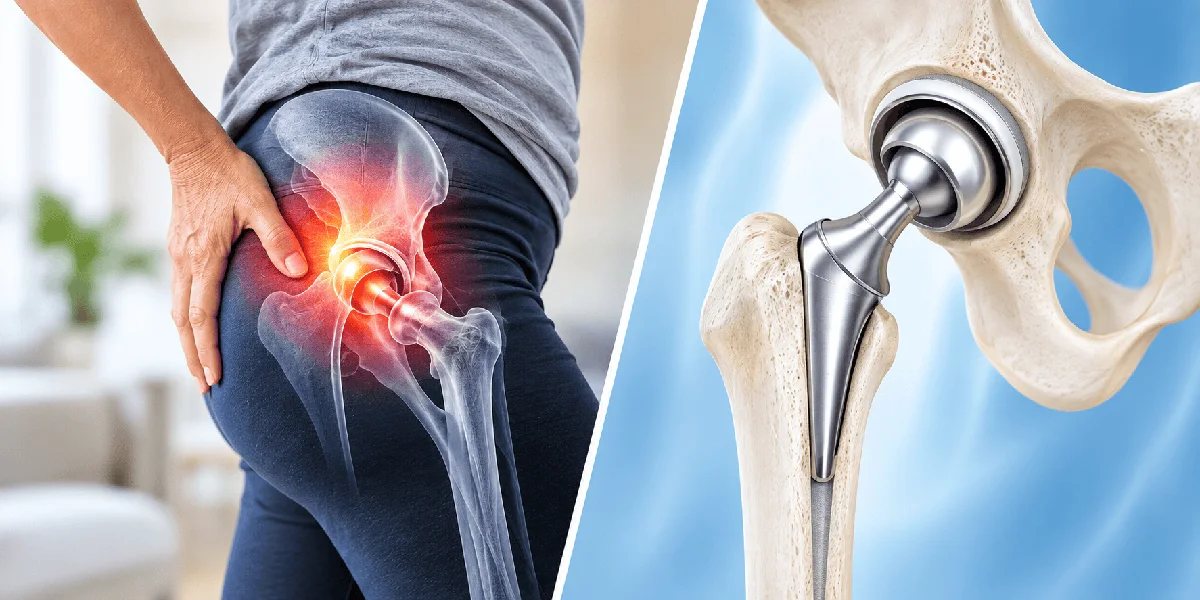
Hip pain can make everyday activities surprisingly difficult. Walking, climbing stairs, getting into a car, standing from a chair, or even sleeping comfortably may become challenging when the hip joint is damaged or inflamed.
For people dealing with persistent hip pain, finding a hip replacement orthopedist near me is often the first step toward understanding what is causing the discomfort and which treatment options may be appropriate.
The hip is a ball-and-socket joint formed by the femoral head and the socket of the pelvis. Smooth cartilage normally allows these surfaces to move with minimal friction. Conditions such as osteoarthritis, rheumatoid arthritis, osteonecrosis, previous injuries, and certain fractures can damage the joint and affect mobility.
Not everyone with hip pain needs surgery. Depending on the diagnosis and severity of symptoms, treatment may include activity modification, physical therapy, medications, injections, or other nonsurgical approaches. When significant joint damage continues to cause pain and limit daily activities despite conservative treatment, hip replacement may become an option.
What causes hip pain?
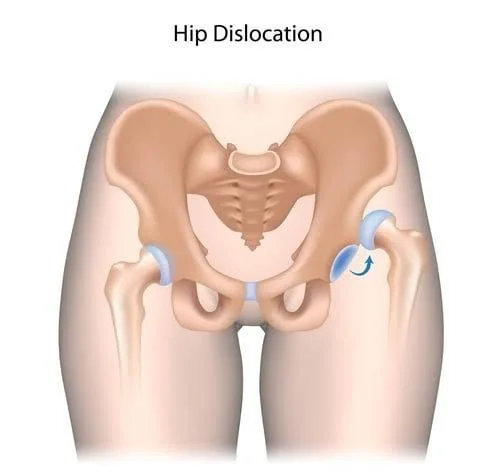
Hip pain can have several causes, and identifying the underlying problem is important before choosing treatment.
Common causes include:
- Hip osteoarthritis
- Rheumatoid arthritis
- Osteonecrosis or avascular necrosis
- Hip fractures and previous injuries
- Cartilage damage
- Tendon or soft-tissue problems
- Certain structural abnormalities
- Previous hip surgery or joint problems
Hip arthritis may cause pain in the hip, groin, buttocks, or even the thigh and knee. Stiffness and reduced range of motion can also develop over time.
Some people initially notice pain only after prolonged walking or physical activity. As the condition progresses, pain may begin interfering with everyday activities or occur even during periods of rest.
If hip pain is persistent, worsening, or limiting your normal activities, an evaluation by an orthopedic specialist can help determine the appropriate next step.
When should you see a hip doctor?
You don’t necessarily have to wait until hip pain becomes severe before seeing a specialist.
Consider scheduling an evaluation with a hip doctor if you experience:
- Persistent hip or groin pain
- Increasing stiffness
- Difficulty walking
- Pain when climbing stairs
- Difficulty getting in or out of a chair
- Reduced hip movement
- Pain that interferes with sleep
- Difficulty putting on shoes or socks
- A limp or change in walking pattern
- Pain that continues despite conservative treatment
A specialist can review your symptoms, medical history, physical examination findings, and appropriate imaging to determine whether the pain is coming from the hip or another area.
For osteoarthritis, your orthopedic specialist may perform a physical examination and recommend imaging, such as X-rays, to assess the condition of the hip joint. In some cases, an MRI may also be recommended to provide a closer look at soft tissues or identify issues that may not be visible on an X-ray.
What is hip replacement surgery?
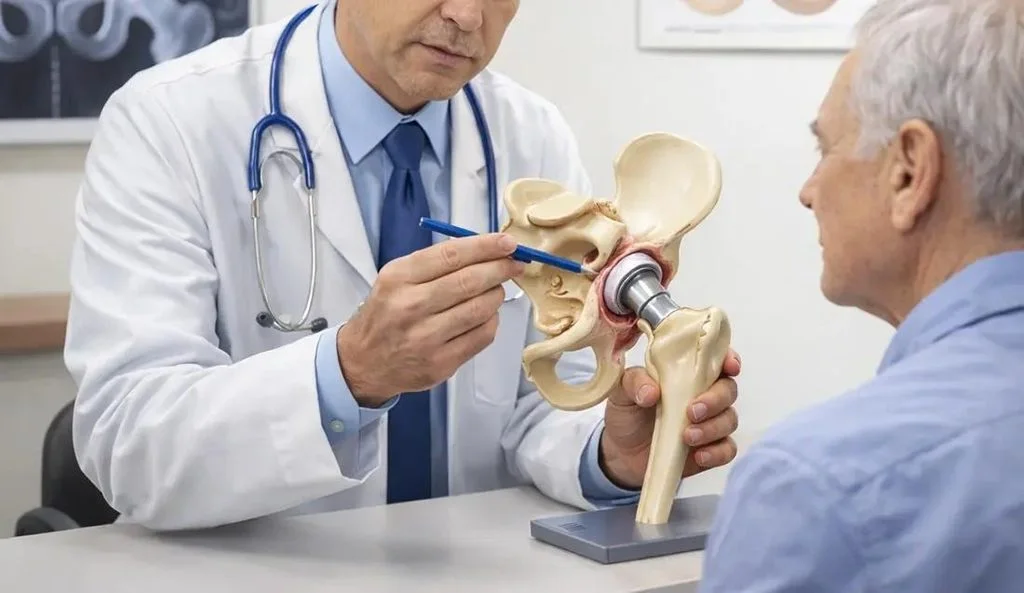
Hip replacement surgery, also called hip arthroplasty, replaces damaged portions of the hip joint with artificial components.
During a total hip replacement, the damaged femoral head is replaced with an artificial ball and the damaged surface of the socket is replaced with an artificial component. The replacement may use combinations of metal, ceramic, and plastic materials depending on the implant system and the patient’s individual circumstances.
The primary goals of hip replacement are to:
- Reduce pain
- Improve hip function
- Increase mobility
- Make everyday activities easier
Hip replacement is not always the first option for treating hip pain. Your orthopedic specialist will consider factors such as the extent of joint damage, severity of symptoms, impact on daily activities, previous treatments, overall health, and personal needs before determining whether surgery is appropriate.
When is hip replacement considered?
A hip replacement may be considered when hip damage and symptoms significantly affect a person’s quality of life and nonsurgical treatments have not provided adequate relief.
For example, a patient may have:
- Advanced hip arthritis
- Significant cartilage and joint damage
- Persistent pain
- Severe stiffness
- Difficulty walking
- Difficulty performing everyday activities
- Pain that continues despite appropriate nonsurgical treatment
The decision is individualized. Age alone does not determine whether someone is a candidate for hip replacement. Your orthopedic specialist can evaluate your specific condition and discuss potential benefits, risks, and alternatives.
What happens during hip replacement?
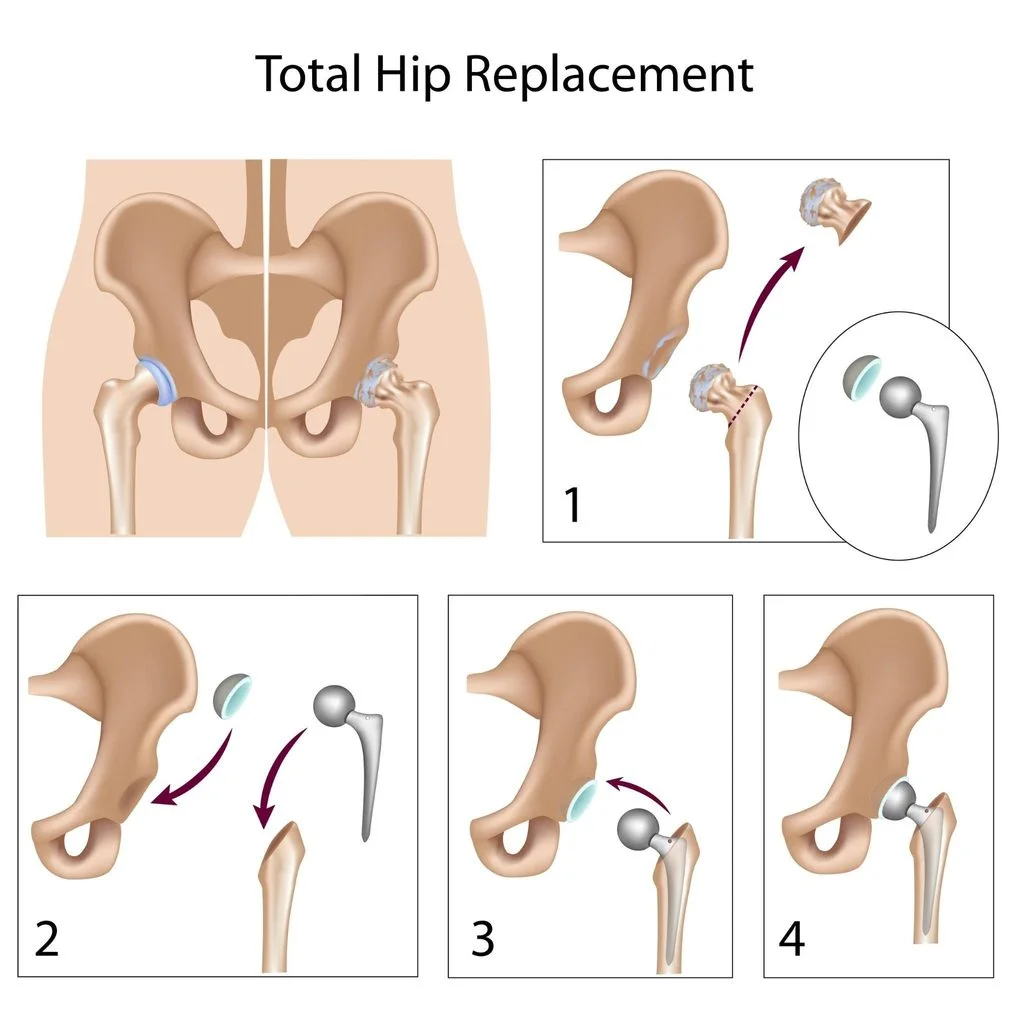
Although the exact surgical approach varies, total hip replacement generally involves removing damaged bone and cartilage and replacing them with artificial components.
The procedure typically involves:
1. Preparing the hip joint
The surgeon accesses the damaged hip joint and removes the damaged femoral head and affected joint surfaces.
2. Preparing the socket
The damaged cartilage and bone from the acetabulum are prepared to receive the artificial socket component.
3. Placing the artificial components
The artificial socket and femoral components are positioned to recreate the function of the natural ball-and-socket joint.
4. Checking movement and stability
The surgeon assesses the replacement before completing the procedure.
The choice of implant, surgical technique, anesthesia, and recovery plan is tailored to each patient based on their anatomy, diagnosis, overall health, and the surgeon’s assessment.
What are the alternatives to hip surgery?
Hip replacement isn’t the only treatment option.
Depending on the diagnosis, an orthopedic surgeon may recommend nonsurgical treatment first. Options can include:
Physical Therapy
A customized exercise program may help improve strength, flexibility, movement, and function.
Activity Modification
Reducing activities that aggravate symptoms and choosing lower-impact activities may help reduce stress on the hip.
Medications
Certain medications may be recommended to help manage pain and inflammation. Medication choices should be discussed with your healthcare provider, particularly if you have other medical conditions or take other medicines.
Injections
In selected situations, an orthopedic specialist may consider an injection to temporarily reduce pain and improve function.
Weight Management
For individuals who are overweight, maintaining a healthy weight may help reduce pressure on weight-bearing joints, including the hips, and support overall joint health.
The appropriate treatment depends on the cause and severity of your hip problem.
How to choose an orthopedic surgeon for hip pain or replacement
Searching online for the best hip surgeons near me can produce many results. Instead of relying only on rankings or advertising claims, patients should look at relevant qualifications, orthopedic specialization, experience with the condition being treated, hospital or surgical-facility affiliations, communication style, and whether the doctor takes time to explain treatment options.
If you are searching for an orthopedic surgeon or hip specialist, consider asking:
- Does the doctor specialize in hip conditions?
- Do they treat both surgical and nonsurgical hip problems?
- What diagnostic testing may be needed?
- What treatment options are available?
- What are the potential benefits and risks of surgery?
- What does recovery involve?
- What type of rehabilitation is recommended?
- Where would surgery be performed if replacement is recommended?
- What should you expect during follow-up?
A consultation gives you an opportunity to discuss your individual situation rather than choosing treatment based only on an online search result.
Looking for a hip specialist near jersey city or hoboken?
For patients in Jersey City, Hoboken, and surrounding areas, convenience can be an important consideration when seeking orthopedic care.
If you’re searching for a hip replacement orthopedist near me in the New York/Hoboken area, consider choosing a specialist who can evaluate your hip pain, review appropriate imaging, explain nonsurgical options, and determine whether hip replacement should be considered.
Because Jersey City and Hoboken are close to New York City, some patients may also search for an orthopedic surgeon in NYC, hip replacement doctor New York, or even the best hip surgeons in NY.
However, geographic proximity should be considered alongside the specialist’s qualifications, relevant experience, treatment approach, facility, and your individual healthcare needs. Mera main hai New York; yeh sahi hai uske according place.
Hip replacement recovery: what should you expect?

Recovery varies from person to person.
Following surgery, your healthcare team will guide you through wound care, medications, movement, activity levels, and rehabilitation. Physical therapy may also be recommended to help restore strength, improve mobility, and support a safe return to everyday activities.
Some patients may return home relatively soon after surgery, while others may require a longer period of supervised care depending on their health and individual circumstances.
Recovery can involve:
- Gradually increasing walking
- Using assistive equipment when recommended
- Performing prescribed exercises
- Attending physical therapy
- Following activity restrictions
- Keeping follow-up appointments
- Gradually returning to normal daily activities
Recovery after hip replacement varies from person to person. Many patients make significant progress during the first few months, while strength, mobility, and activity levels may continue to improve over time. Factors such as overall health, fitness level, and individual healing can influence the recovery process.
Your surgeon and rehabilitation team can provide instructions specific to your procedure.
How long does a hip replacement last?
Hip replacement implants are designed to provide long-term function, but no implant lasts forever and outcomes vary between individuals.
Implant longevity can be influenced by factors including:
- Implant design and materials
- Surgical technique
- Patient activity
- Age and overall health
- Bone quality
- Weight
- Postoperative care
- Normal wear over time
In some cases, revision surgery may be needed if complications develop, such as implant loosening, fracture, infection, dislocation, or gradual wear of the artificial joint.
Your orthopedic specialist can explain the expected performance of the implant selected for your individual situation.
Questions to ask during your hip consultation

Before deciding on treatment, prepare a list of questions for your doctor.
You may want to ask:
- What is causing my hip pain?
- Do I have hip arthritis?
- Do I need an X-ray or another imaging test?
- Can my condition be treated without surgery?
- Am I a candidate for hip replacement?
- What type of hip replacement would you recommend?
- What are the potential risks and complications?
- How long might recovery take?
- Will I need physical therapy?
- When can I return to normal activities?
Taking your previous imaging, medical records, medication list, and a description of your symptoms can also make your consultation more productive.
Get the right evaluation for your hip pain
Hip pain doesn’t have to be ignored or automatically treated with surgery. The first step is understanding what’s causing the pain and which treatment options may be appropriate for your individual condition.
Whether you’re looking for an orthopedic surgeon hip specialist or experienced hip care in New York City, Sean Thompson, MD can help evaluate your symptoms and discuss appropriate treatment options based on your individual needs.
For patients in NY and the surrounding NYC area, choosing a conveniently located orthopedic specialist can make appointments, treatment, and follow-up care easier to manage.
If persistent hip pain is affecting your walking, sleep, work, or everyday activities, schedule an orthopedic consultation with Sean Thompson, MD to discuss your symptoms and available treatment options.
Frequently asked questions about hip replacement
How do i find a hip replacement orthopedist near me?
Start by looking for an orthopedic surgeon with relevant experience treating hip conditions and joint replacement. Patients in the Jersey City and Hoboken area can consider specialists conveniently located in Northern New Jersey, while patients willing to travel may also research specialists in New York City.
What does a hip replacement doctor do?
A hip replacement doctor evaluates hip pain and joint damage and determines whether conservative treatment, hip surgery, or another treatment approach may be appropriate.
Is hip replacement always necessary for hip arthritis?
No. The need for hip replacement depends on factors such as the severity of symptoms, extent of joint damage, imaging results, impact on daily activities, overall health, and response to nonsurgical treatments. Surgery may be recommended when significant pain and joint damage continue despite conservative care.
Should i search for the best hip surgeons in NY or a local specialist?
Search terms such as “best hip surgeons in NY” or “best hip surgeons near me” can help you discover providers, but patients should evaluate relevant qualifications, hip-specific experience, treatment options, facility, and the quality of the consultation rather than relying solely on an online ranking.
When should i see an orthopedic surgeon?
Consider an orthopedic evaluation when persistent hip pain, stiffness, reduced mobility, or difficulty performing daily activities does not improve with appropriate conservative measures.